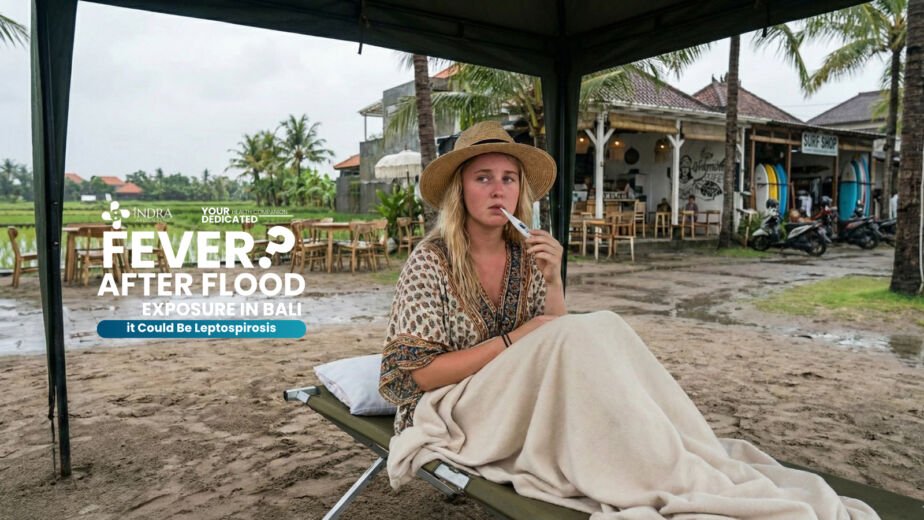
The New Year holiday period in Bali is a time of celebration, travel, and increased social activity. However, it also coincides with the peak of the rainy season, which brings higher risks of infectious diseases, dehydration, travel-related illnesses, and delayed access to healthcare due to traffic congestion and high demand.
At Indra Medical Clinic, we frequently see an increase in preventable medical conditions during this period. This article aims to help residents, expatriates, and travelers stay healthy and know when to seek medical care during Bali’s New Year holidays.
Common Health Risks During Bali’s Rainy Season
1. Gastrointestinal Infections (Food and Water-Related Illnesses)
Heavy rainfall increases the risk of contamination in food and water sources. During holidays, people are more likely to eat outside, attend parties, or consume unfamiliar foods.
Common symptoms include:
Diarrhea
Vomiting
Abdominal cramps
Fever
Fatigue and dehydration
Prevention tips:
Drink only bottled or filtered water
Avoid ice of uncertain origin
Wash hands regularly or use alcohol-based hand sanitizer
Choose reputable restaurants with good hygiene practices
2. Dengue Fever and Mosquito-Borne Diseases
The rainy season creates ideal breeding conditions for mosquitoes. Dengue fever cases typically increase during this period.
Warning signs of dengue include:
Sudden high fever
Severe headache and pain behind the eyes
Muscle and joint pain
Nausea or vomiting
Skin rash (in later stages)
Prevention tips:
Use mosquito repellent, especially during daytime
Wear long sleeves and long pants when possible
Eliminate standing water around living areas
Use mosquito nets or electric repellents indoors
3. Respiratory Infections and Flu-Like Illnesses
Crowded events, nightclubs, and indoor gatherings during the New Year increase the spread of respiratory viruses.
Common symptoms:
Sore throat
Cough
Runny or blocked nose
Fever
Body aches
Early medical evaluation is recommended if symptoms worsen or persist beyond a few days.
4. Dehydration and Exhaustion During Festivities
Alcohol consumption, long parties, and hot, humid weather can easily lead to dehydration—even during the rainy season.
Signs of dehydration include:
Dry mouth
Dizziness
Dark urine
Weakness or lethargy
Ensure adequate fluid intake and seek medical attention if nausea or vomiting prevents oral hydration.
When Should You See a Doctor in Bali?
Seek medical care promptly if you experience:
Persistent vomiting or diarrhea lasting more than 24 hours
High fever (≥38.5°C) not responding to medication
Severe weakness or inability to eat or drink
Signs of dengue fever
Worsening respiratory symptoms or shortness of breath
Delaying treatment during the holidays can lead to complications and longer recovery times.
How Indra Medical Clinic Can Help You
Indra Medical Clinic provides accessible, patient-centered medical services throughout the holiday season, including:
General practitioner consultations
IV fluids for dehydration
Treatment for flu, gastrointestinal illness, and infections
Dengue screening and supportive care
Medical care for tourists, expatriates, and local residents
Home visit services (subject to availability)
Our team understands the unique healthcare challenges in Bali, especially during peak holiday periods.
Practical Health Tips for New Year Holidays in Bali
Carry basic medications when traveling
Do not ignore early symptoms
Get enough rest between celebrations
Practice safe food and water habits
Save your clinic’s contact details before emergencies arise
Stay Safe and Enjoy Bali Responsibly
New Year celebrations should be memorable for the right reasons. With proper precautions and timely medical care, most holiday-related illnesses can be prevented or managed effectively.
If you need medical assistance during your stay in Bali, Indra Medical Clinic is here to support your health—so you can enjoy the holidays with peace of mind.
One smart decision can prevent days of recovery