Bali’s holiday seasons—such as New Year, long weekends, and peak travel months—attract large numbers of international and domestic visitors. While the island offers unforgettable experiences, holiday travel also increases the risk of certain medical conditions, especially when combined with crowds, climate changes, and busy schedules.
At Indra Medical Clinic, we regularly treat travelers who become unwell during holiday periods. Understanding common travel-related illnesses and knowing when to seek medical care can help prevent complications and ensure a smoother stay in Bali.
Why Travel Illnesses Increase During Holidays in Bali
Several factors contribute to higher illness rates during holidays:
Increased exposure to crowds and close contact
Changes in diet and eating habits
Hot, humid weather and rainy-season conditions
Physical exhaustion and dehydration
Delayed medical care due to busy schedules or traffic
Early recognition and timely treatment are key to faster recovery.
Most Common Travel Illnesses Seen in Bali During Holidays
1. Traveler’s Diarrhea (Often Known as “Bali Belly”)
This is one of the most frequent reasons travelers seek medical care in Bali.
Typical symptoms include:
Diarrhea
Nausea or vomiting
Abdominal cramps
Fever
Dehydration
Holiday dining, unfamiliar food, and inconsistent hydration increase risk. Medical evaluation is important if symptoms persist or worsen.
2. Viral and Flu-Like Infections
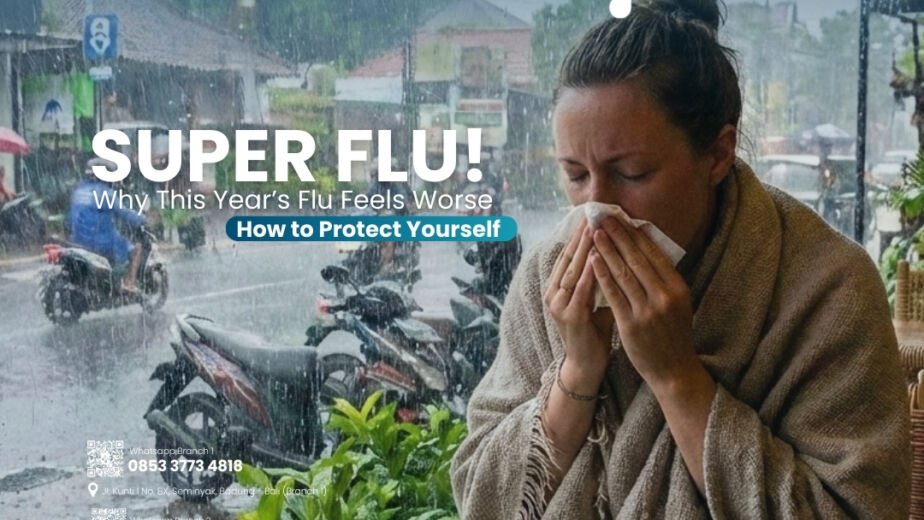
Crowded events, flights, and indoor gatherings make viral infections more common during holidays.
Symptoms may include:
Fever
Sore throat
Cough
Runny nose
Body aches and fatigue
Most viral illnesses are self-limiting, but worsening symptoms or high fever should be assessed by a doctor.
3. Dengue Fever and Mosquito-Borne Illnesses
Holiday periods often overlap with Bali’s rainy season, increasing mosquito activity.
Warning signs include:
Sudden high fever
Severe headache or pain behind the eyes
Muscle and joint pain
Nausea or vomiting
Skin rash (later stages)
Dengue requires medical assessment and monitoring, especially in the first few days of illness.
4. Dehydration and Heat-Related Illness
Even during rainy months, Bali’s humidity and holiday activities can lead to dehydration.
Common signs:
Dizziness
Dry mouth
Dark urine
Weakness or lethargy
Dehydration can worsen other illnesses and may require IV fluid therapy.
5. Skin Infections and Allergic Reactions
Increased sweating, insect bites, and exposure to new environments can trigger skin problems.
Common issues include:
Infected insect bites
Fungal infections
Rashes or allergic reactions
Worsening of minor wounds
Early treatment prevents progression and scarring.
6. Minor Injuries and Accidents
Holiday traffic, scooter use, and wet roads increase the risk of injuries.
Examples include:
Falls
Cuts and abrasions
Motorbike-related injuries
Even minor wounds should be properly cleaned and assessed to prevent infection.
When Should You See a Doctor in Bali?
Travelers should seek medical care promptly if they experience:
Diarrhea or vomiting lasting more than 24 hours
High fever (≥38.5°C), especially with body aches or headache
Signs of dehydration or inability to eat or drink
Severe weakness or persistent fatigue
Infected wounds or worsening skin conditions
Any sudden or concerning symptoms
Delaying care during holidays can lead to complications and longer recovery time.
Practical Tips to Stay Healthy While Traveling in Bali
Stay hydrated throughout the day
Practice good hand hygiene
Use mosquito repellent regularly
Avoid ignoring early symptoms
Save a trusted medical clinic’s contact details before emergencies occur
Travel Smart, Stay Healthy in Bali
Most travel-related illnesses are preventable or easily treated when addressed early. Awareness, simple precautions, and timely medical care can help you enjoy Bali’s holidays safely and comfortably.
If you need medical assistance during your stay, Indra Medical Clinic is here to support your health—so you can focus on enjoying your trip.
One medical visit can prevent days of disrupted travel