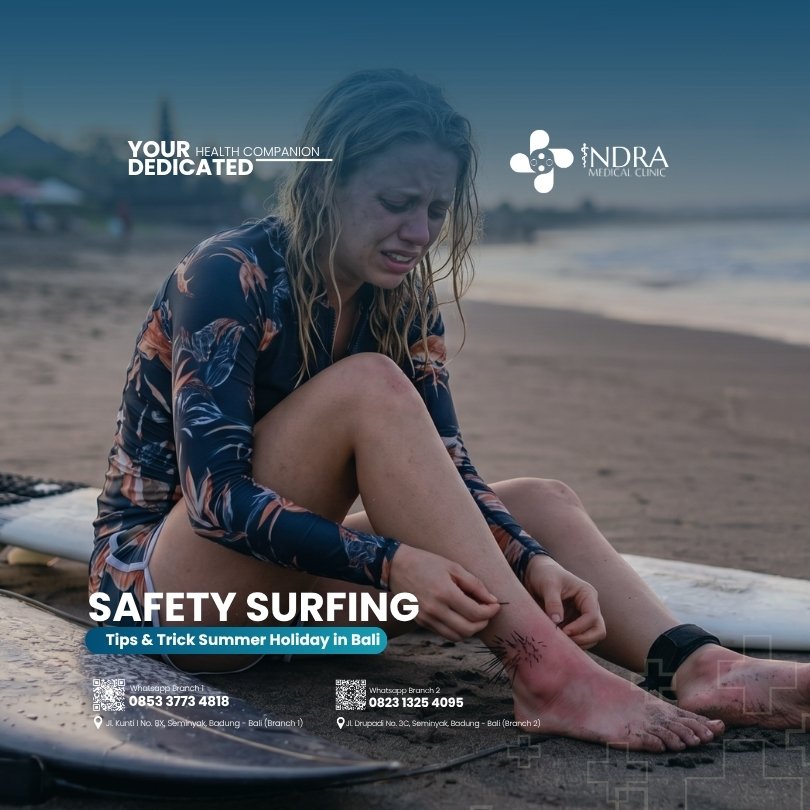
Bali is world-renowned for its waves, but its reefs, rips, and powerful surf pose real dangers for the unprepared. Here is the complete, up-to-date safety guide.
Choosing the Right Surf Spot – Do Not Overestimate Your Skills
Bali’s beaches are divided into two distinct categories: the West Coast (Kuta, Legian, Seminyak, Canggu) faces the open Indian Ocean with heavy waves and strong currents; the East Coast and South Bay (Sanur, Nusa Dua) are sheltered by reefs and feature calm, flat water.
Best Beaches for Beginners:
| Beach | Characteristics | Best For |
|---|---|---|
| Kuta Beach | Gentle, rolling waves; sandy bottom; numerous surf schools. | Absolute first-timers. |
| Seminyak Beach | Quieter than Kuta; slightly smaller waves. | Beginners wanting a less crowded space. |
| Legian Beach | Consistent, mellow waves suitable for practicing paddling. | Beginner practice sessions. |
| Batu Bolong (Canggu) | Gentle, sandy-bottomed wave break. | Learning to pop up and ride. |
Absolutely Avoid if you are a beginner: Uluwatu, Padang Padang, Bingin, and Dreamland. These are expert-level reef breaks with shallow coral and heavy barrels—extremely dangerous for novices.
Understanding Beach Flags and the Warning System
Popular beaches like Kuta are patrolled daily by Balawista (the Badung Regional lifeguard service). They establish clear swimming zones:
Between Red & Yellow Flags: The designated safe swimming zone, patrolled by lifeguards. This zone moves based on daily conditions.
Red Flag: DO NOT ENTER THE WATER. Indicates large waves, strong currents, or other severe hazards.
Checkered Black & White Flag: The designated surfing zone, separated from swimmers.
Pro Tip: Upon arrival at the beach, always check the flag location and the lifeguard patrol board—conditions and safe zones shift with tides and weather. If in doubt, ask a Balawista guard on the sand before paddling out.
The Critical Medical Threats in Bali Surfing
A. Post-Rain Contamination (The #1 Illness Risk)
The Danger: Heavy rain flushes sewage, agricultural pesticides, and animal waste into the ocean—especially near river mouths (e.g., Canggu, Kuta areas).
Medical Consequences: High risk of Leptospirosis (bacterial infection causing liver/kidney failure), severe gastroenteritis, and staph skin infections.
Rule: Wait 48 hours after heavy rainfall before entering the water. If the water is brown or murky, stay out.
B. Coral Cuts – The “Bali Special” Infection
Why it’s dangerous: Coral is razor-sharp and harbors Vibrio bacteria—aggressive pathogens that can cause necrotizing fasciitis (flesh-eating disease) within hours.
Immediate First-Aid:
Flush aggressively with clean drinking water (never ocean water).
Scrub gently with soap and clean water.
Apply povidone-iodine (Betadine) and cover with a dry, sterile bandage.
Medical Red Flags (Go to ER immediately):
Red streaks traveling up your arm/leg.
Throbbing pain that worsens, not improves, after 2 hours.
Swelling spreading beyond the wound site.
Fever, chills, or muscle aches within 48 hours.
Tetanus: Ensure your tetanus booster is within the last 5 years (not 10, due to tropical risks).
C. Sunstroke & Severe Dehydration
Surfing in 30°C+ heat causes massive fluid loss through sweat—often without you noticing.
Rule: Surf only during sunrise to 9 AM or after 3 PM.
Drink 500ml of electrolytes before paddling out and another 500ml immediately after. If you feel dizzy, nauseous, or stop sweating—get out, move to shade, and sip oral rehydration salts (ORS) slowly.
The "When to Quit" Medical Checklist
Do not paddle out if you have:
Consumed alcohol within the past 12 hours (dehydration + impaired judgment = drowning risk).
An open wound or fresh scratch (exposure to Vibrio and sewage increases infection risk by 400%).
Diarrhea or vomiting (you are already critically dehydrated).
Mandatory Medical Kit for Surfers
Pack this before your first session:
| Item | Purpose |
|---|---|
| Povidone-iodine solution | Disinfect coral cuts immediately. |
| Sterile saline ampoules | Flush wounds with high pressure. |
| Waterproof plasters | Seal minor cuts from seawater. |
| Oral Rehydration Salts (ORS) | Rapidly correct severe dehydration. |
| Tetanus vaccine record | Verify date; get a booster if >5 years. |
Final Takeaway
In Bali, even a small cut or scrape can quickly become a serious infection if left untreated. Prompt wound cleaning, proper medical care, and close monitoring are essential to prevent complications. If you sustain any skin injury, don’t delay treatment—Indra Medical Clinic provides professional wound care, tetanus assessment, and doctor evaluation to help reduce the risk of tropical infections and support faster healing.
Hydrate aggressively, never surf after heavy rain, and treat every coral cut like an emergency. Tropical infections escalate in hours, not days.